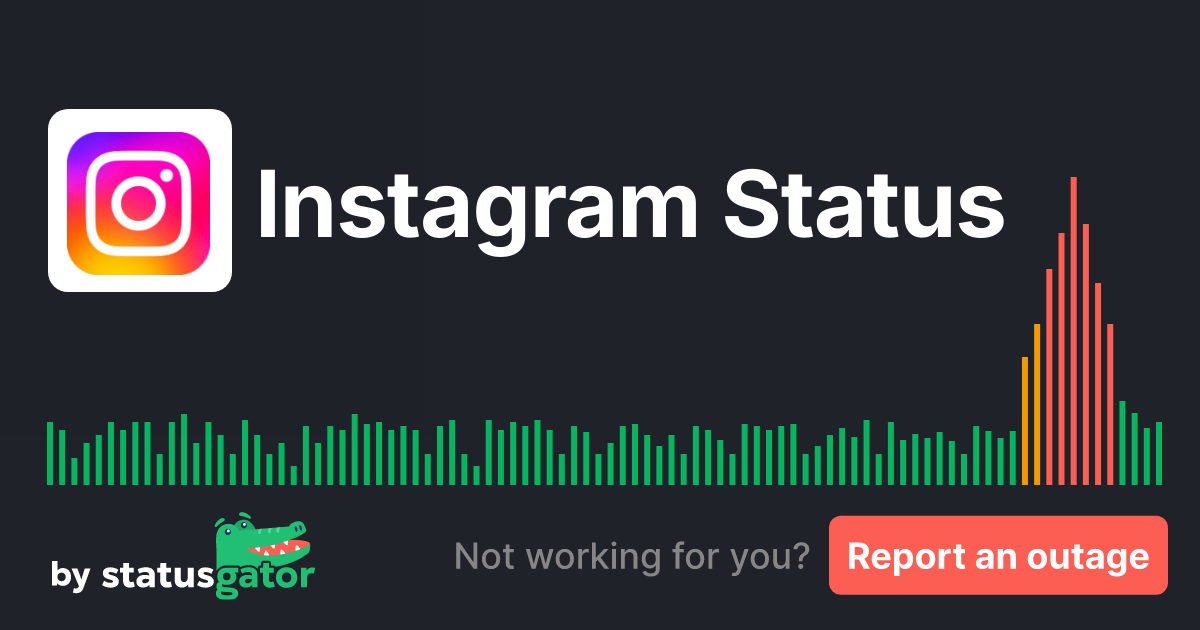
Understanding Instagram Outages: Server Overload & DNS Issues Explained
Few things are as frustrating in our digital age as reaching for our favorite social media app, only to be met with a blank screen, an endless loading spinner, or an error message. When Instagram issues today crop up, it can disrupt personal connections, business operations, and our daily dose of visual inspiration. While it's easy to assume the worst, most Instagram outages stem from a handful of common technical culprits. Among the most prominent are server overload and Domain Name System (DNS) problems, both of which can bring the sprawling platform to a temporary halt. Understanding these underlying issues can help users grasp why the platform might be unavailable and what to expect during such disruptions.
Server Overload: The Digital Traffic Jam
Imagine a bustling highway suddenly inundated with ten times its usual traffic. Gridlock ensues, and cars grind to a halt. This analogy perfectly describes server overload, a primary reason why you might experience Instagram issues today. Instagram operates on a vast network of powerful servers designed to handle billions of photos, videos, stories, and messages from over a billion active users globally. Each time you scroll, like, comment, or upload, your device sends a request to one of these servers, which then processes and delivers the relevant data back to you.
Server overload occurs when the sheer volume of incoming requests exceeds a server's or a cluster of servers' processing capacity. This can happen for several reasons:
- Sudden User Spikes: A major global event, a viral trend, or a new feature launch can cause an unprecedented surge in user activity. If millions of users simultaneously try to access Instagram, post content, or refresh their feeds, the system can become overwhelmed.
- Unforeseen Technical Glitches: Sometimes, even without a massive user spike, a software bug or a hardware malfunction within Instagram's infrastructure can reduce the capacity of certain servers, leading to a bottleneck.
- Resource Depletion: Servers require computational resources (CPU, RAM, network bandwidth) to operate efficiently. If these resources are unexpectedly consumed or become unavailable, performance degrades, leading to errors.
When servers are overloaded, users typically experience:
- Slow loading times for feeds, stories, and profiles.
- Inability to upload photos or videos.
- Error messages like "Couldn't refresh feed" or "5xx Internal Server Error."
- Complete inability to connect to the service.
To combat overload, Instagram, like other tech giants, employs sophisticated strategies such as load balancing (distributing traffic across many servers), content delivery networks (CDNs) for faster content delivery, and auto-scaling server capacity. However, even with these measures, extreme and unpredictable events can still push the system past its limits.
DNS Issues: When the Internet Loses its Map
While server overload is about the destination being too crowded, DNS issues are about not being able to find the destination at all. The Domain Name System (DNS) is often called the "phonebook of the internet." When you type "instagram.com" into your browser or launch the Instagram app, your device doesn't directly know where Instagram's servers are located. Instead, it asks a DNS server to translate the human-readable domain name (instagram.com) into a machine-readable IP address (e.g., 157.240.245.174).
If there's a problem with this translation process, your device won't know which servers to connect to, regardless of whether those servers are overloaded or not. This is why DNS issues can be a significant cause of Instagram issues today.
Common DNS-related problems that affect Instagram access include:
- Instagram's DNS Records: The platform itself maintains DNS records that tell the internet where to find its services. If these records are misconfigured, corrupted, or under attack, it can prevent users from connecting globally or regionally.
- ISP DNS Server Issues: Your Internet Service Provider (ISP) typically provides you with DNS servers. If your ISP's DNS servers are experiencing problems, they may fail to resolve Instagram's domain name correctly for their customers. This usually results in localized outages affecting a specific region or ISP.
- Cached DNS Data: Your device or router often caches DNS information to speed up future lookups. If this cached data becomes outdated or corrupted, it might try to connect to an old or incorrect IP address for Instagram, even if the main DNS servers are working fine.
- DNS Propagation Delays: When Instagram makes changes to its DNS records (e.g., migrating servers), it takes time for these changes to "propagate" across the entire internet. During this period, some users might see the updated records while others still see the old ones, leading to inconsistent access.
When you encounter DNS issues, you might see error messages like "This site can't be reached," "Server not found," or simply the app failing to connect without a clear error, as it can't even initiate communication with Instagram's servers.
Beyond Overload & DNS: Other Common Culprits Behind Instagram Outages
While server overload and DNS issues are frequent causes, several other factors can contribute to Instagram issues today. Understanding this broader spectrum helps paint a complete picture of service disruptions. For a more detailed look into the full range of potential problems, you might find this article helpful: Experiencing Instagram Issues? Common Causes of Outages & Slowdowns.
- Network Problems: Beyond DNS, general network connectivity issues can play a significant role. This could be a problem with your local Wi-Fi or mobile data, an outage affecting your Internet Service Provider (ISP), or even problems with the internet's backbone infrastructure that Instagram relies on.
- Scheduled Maintenance and Updates: Large platforms like Instagram routinely perform maintenance, deploy updates, and introduce new features. While these are often planned to minimize disruption, they can sometimes cause temporary service interruptions or performance slowdowns, especially if an update introduces unforeseen bugs.
- Software Bugs: Even the most rigorously tested software can have bugs. A recently deployed code change might interact poorly with existing systems, causing crashes or unexpected behavior for users. These can be localized or widespread depending on the bug's severity and scope.
- Hardware Failures: Despite redundancy, physical server hardware can fail, impacting data centers or specific components that Instagram relies upon.
- Security Incidents: Though less common, cybersecurity attacks like Distributed Denial of Service (DDoS) attacks can flood Instagram's network with malicious traffic, making it impossible for legitimate users to access the service.
What to Do When Instagram Issues Today Affect You
When you're facing connection problems, it can be hard to tell if it's a personal issue or a widespread outage. Here’s a practical guide on what steps to take:
- Check Your Own Connection:
- Restart Wi-Fi/Mobile Data: Toggle your Wi-Fi off and on, or switch between Wi-Fi and mobile data to see if the problem persists.
- Restart Router: A quick reboot of your home router can often resolve local network glitches.
- Test Other Apps/Websites: Can you access other internet services? If not, the issue is likely with your internet connection, not Instagram.
- Verify if it's a Widespread Outage:
- Ask Friends/Family: A quick text or call can confirm if others are experiencing the same problem.
- Check Other Social Media: Platforms like X (formerly Twitter) are often the first place users report outages. Search for "#InstagramDown" or "Instagram outage."
- Use Third-Party Status Checkers: Websites like DownDetector.com or IsItDownRightNow.com aggregate user reports and often provide live status updates for major online services. These tools are invaluable for quickly assessing the situation. For comprehensive checks and live status updates, consider referring to resources like Instagram Down Today? Live Status, Outage Causes, and Checks.
- Check Official Instagram Channels: While less immediate during major outages, Instagram's official support accounts (often on X) may eventually post updates.
- Basic App and Device Troubleshooting:
- Restart the Instagram App: Force close the app and reopen it.
- Clear App Cache: On Android, you can go to App Info > Storage > Clear Cache. On iOS, you might need to offload or reinstall the app to clear its data.
- Restart Your Device: A full phone reboot can often resolve underlying software conflicts.
- Update the App: Ensure your Instagram app is updated to the latest version. Sometimes, outdated apps can have compatibility issues.
If you've gone through these steps and confirmed that Instagram is indeed experiencing a widespread outage due to server overload, DNS issues, or any other cause, the best course of action is almost always patience. Instagram's engineering teams are highly skilled and work around the clock to resolve such issues as quickly as possible.
Conclusion
Experiencing Instagram issues today, whether due to server overload, DNS problems, or other technical glitches, can be a major inconvenience. However, these incidents are a testament to the immense complexity and scale of modern social media platforms. While frustrating in the moment, understanding the common causes—from digital traffic jams on servers to the internet's "phonebook" misplacing an entry—helps demystify the problem. Most outages are temporary, and Instagram's dedicated teams are always striving to maintain an uninterrupted service for billions of users worldwide. By knowing how to check for outages and performing basic troubleshooting, users can navigate these occasional disruptions with greater understanding and less anxiety.